AI Cinema Lab — by MR. BLACK
Most AI
looks like
AI.
Yours won't.
AI Cinema Lab is a complete system for serious visual creatives who want to make professional-grade cinematic work — the kind that doesn't look like AI. You master the craft first. And if you want to, you build a real career on it. Whatever your version of this looks like, if it's cinematic and made to last, this is where you build it.
This is for you if
- You've got an eye for visuals — pro or self-taught — and you want the skill to finally match your taste
- You've tried AI and gotten close, but it still doesn't look as cinematic as what's in your head
- You want your AI work to look like real cinema — for your own projects, an audience, or paying clients
This probably isn't for you if
- You want a one-click magic button — finished work without learning any of the craft behind it
- You're not willing to put in a little focused time to actually build the skill
- You'd rather have it done for you than learn to make the calls yourself

The outcome
Serious work.
Real recognition.
The craft to back it up.
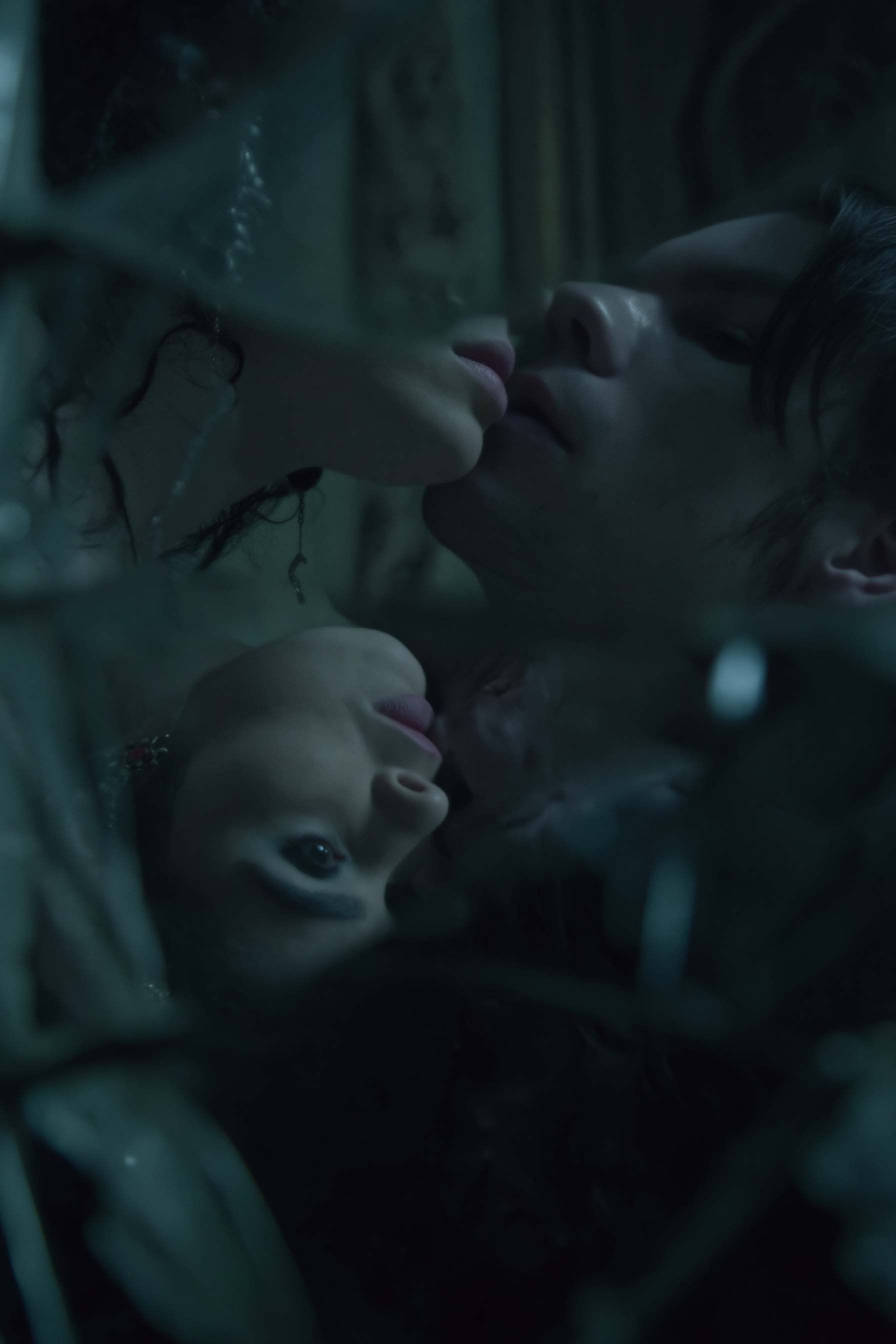
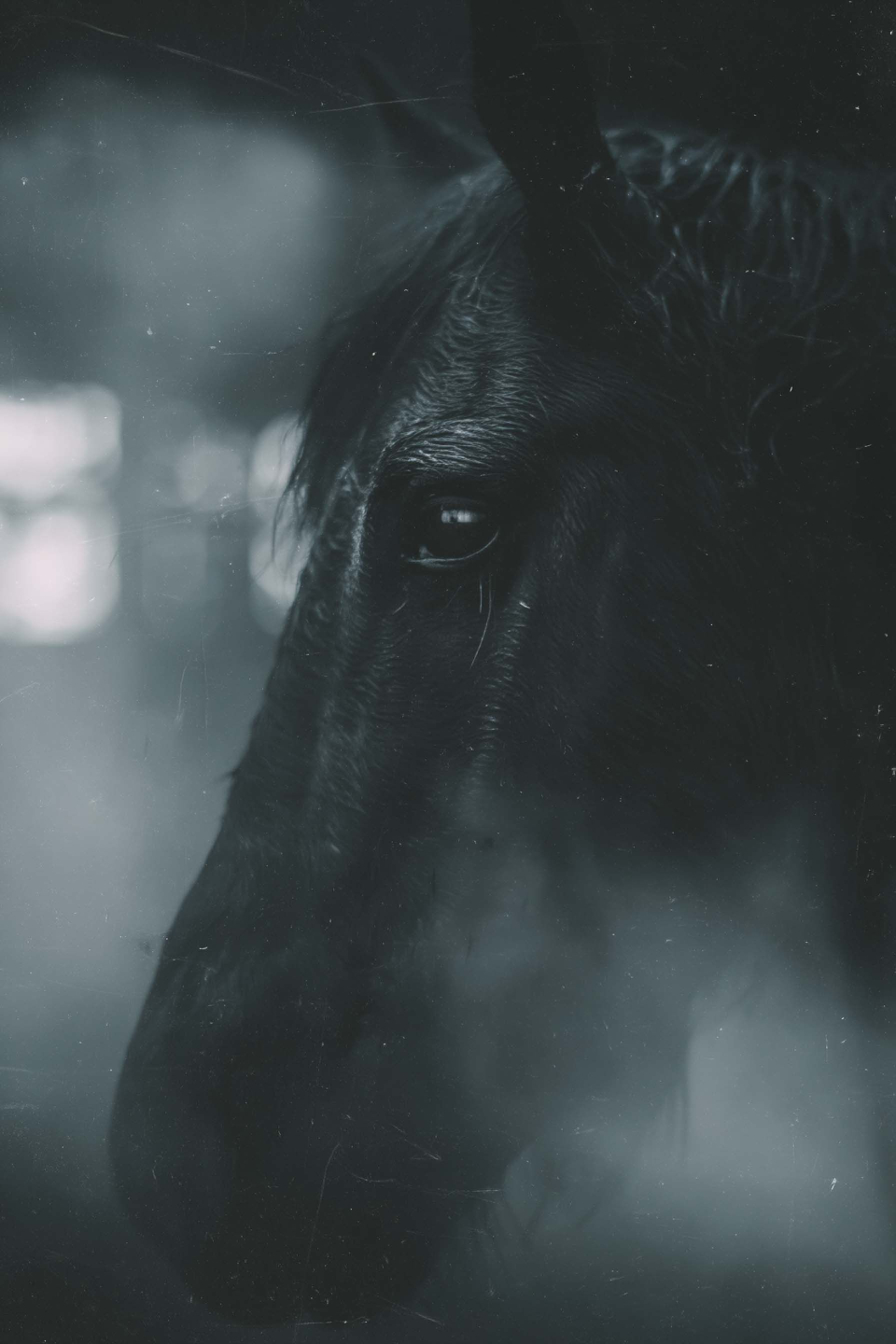
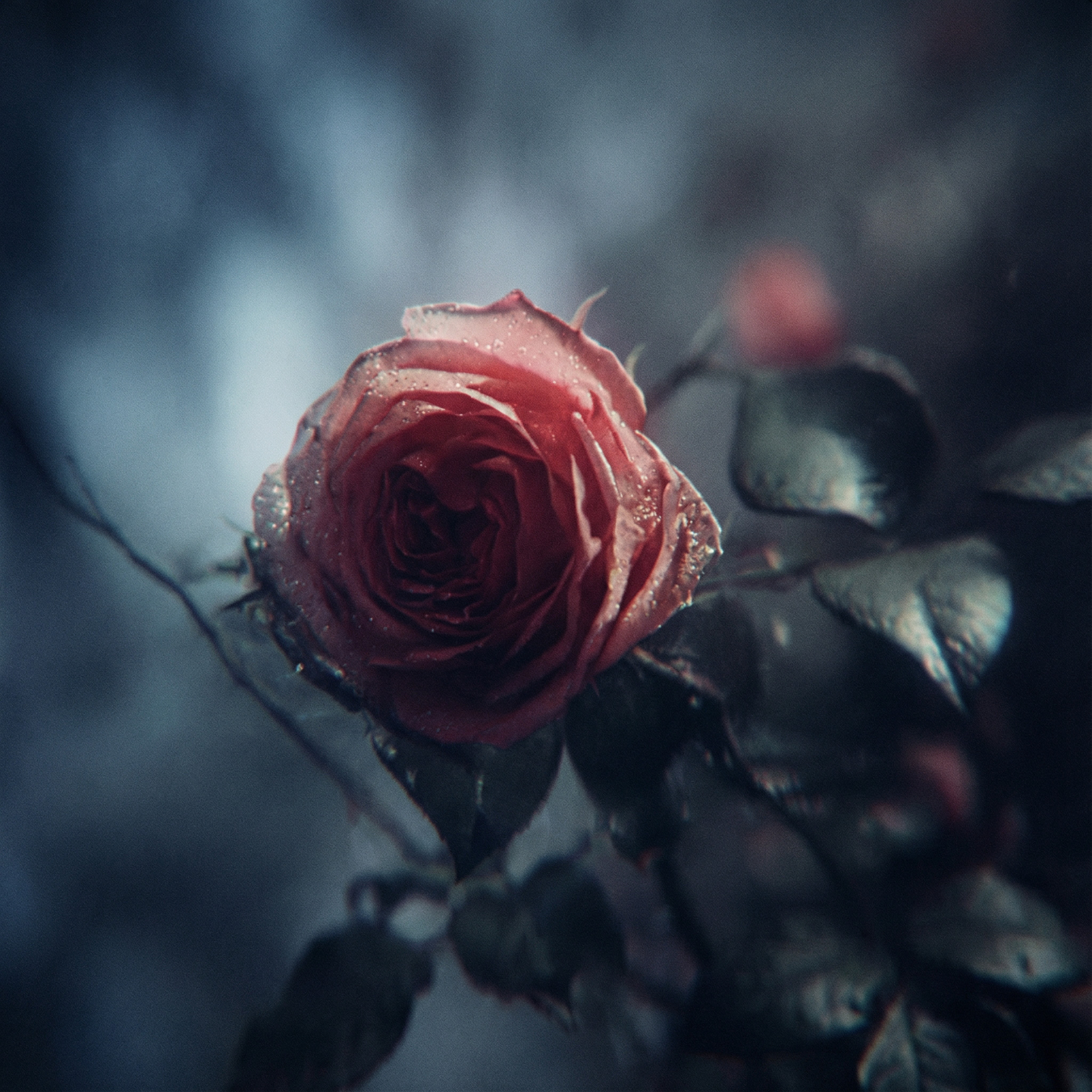
Work that finally matches what's in your head. Cinematic images and films with a look so striking no one would guess they're AI.
A portfolio that makes the right people stop. A visual identity so distinctive it stands apart — for your own projects, or the ones that open doors.
You're not executing someone else's vision. You're making your own. You go straight to the client with your own vision, your own reel, and a pitch that stands on its own.
Work built on craft, not content. Your name attached to work that lasts. Recognition from the people whose work you respect.
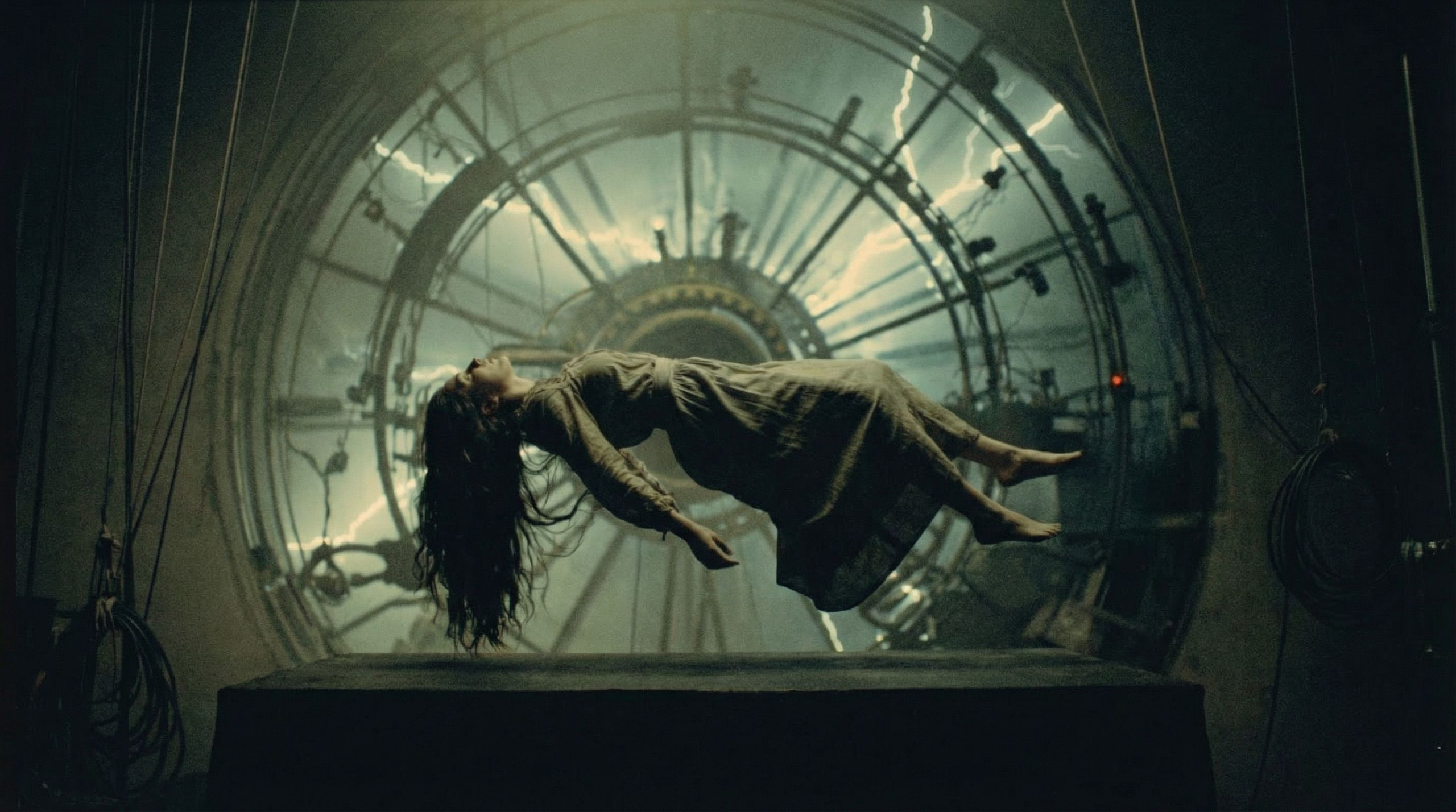
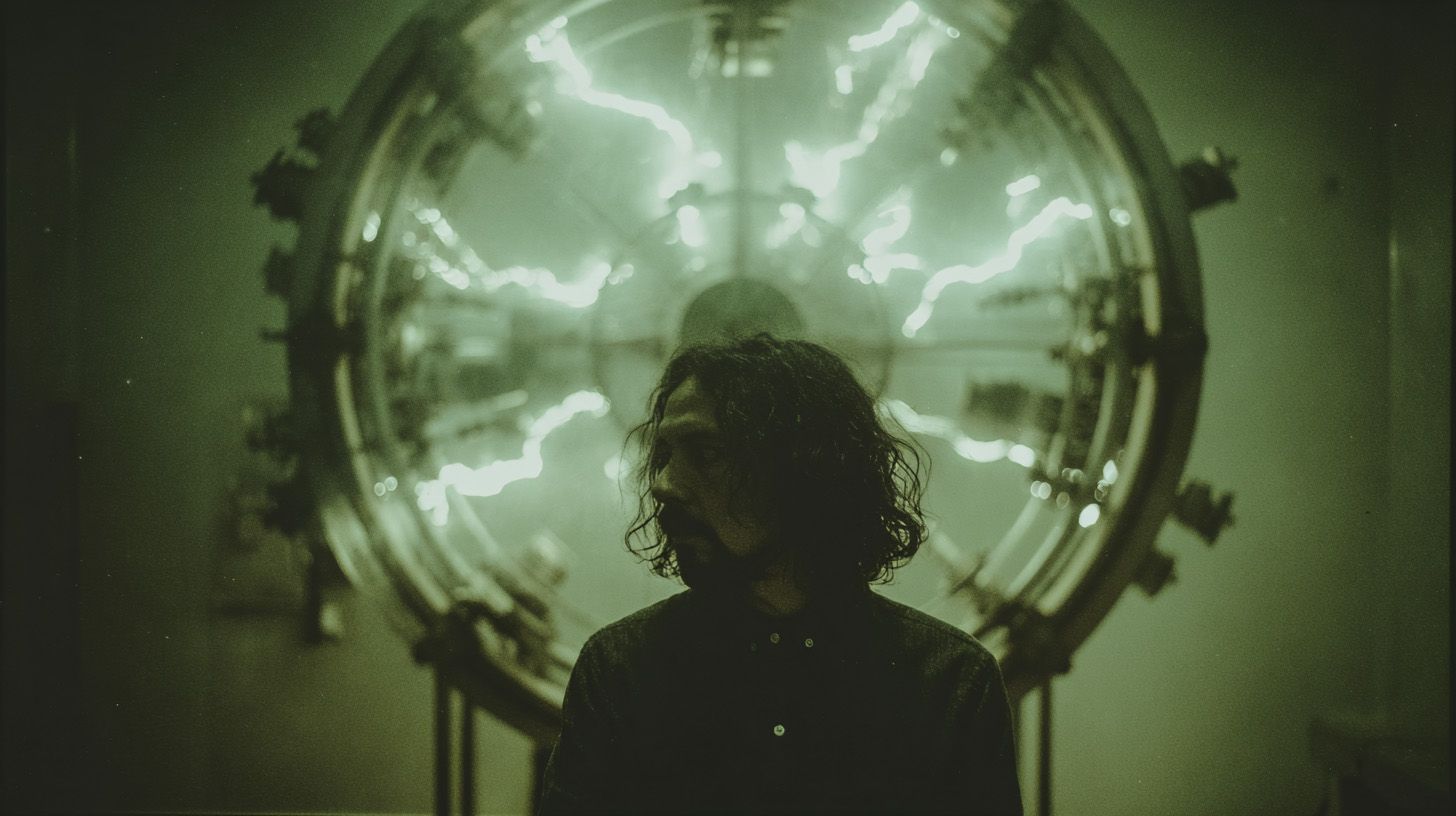
Learn the craft. Build the work. Show it off.
Three deliberate phases — craft first, portfolio second, the business of getting hired third. Short lessons, real-world briefs, and professional standards throughout. It's self-paced and runs on about an hour a week, so most students have built a real body of work in around 90 days — with lifetime access, so there's never a clock on any of it.
Phase One
The Craft
Foundations first. You build the eye and the visual vocabulary before you scale up. Cinematic principles, the MR. BLACK aesthetic system, camera language, color, composition. Tools come into the lessons as you go, but Phase 1 is about training your judgment before moving to full client builds in Phase 2. This is where 25+ years of visual and creative direction meets AI tools, and where the gap between amateur AI art and professional work becomes undeniable.
The MR. BLACK Aesthetic System
What separates professional AI visuals from amateur ones. The visual thinking behind the work — not just the prompts.
Cinematic Foundations
Light, shadow, color, grain, framing, depth, and composition. The complete visual grammar of a cinematic image.
Camera Language
Film stocks, grain textures, lens choices, f-stops, depth of field, and camera movement vocabulary. How to speak the language so the work feels shot, not generated.
Tools in Practice
Image and video generation workflows, post-processing and grading — updated as the AI landscape evolves.
Develop your personal style brief — a mood board and hero images that define YOUR cinematic visual language. Not a copy of MR. BLACK's aesthetic. Yours.
Phase Two
Portfolio Building
Build a professional-grade portfolio through real creative briefs. Every project is written exactly the way an actual client would brief it. For each one, you'll develop a client proposal — stills, motion, or both — that is ready to pitch the moment you finish it.
Music Visuals
A music artist gives you full creative freedom over their stage and visual world. Develop a visual treatment and client proposal that defines the aesthetic of their project.
Fashion Editorial
A dark avant-garde label needs campaign imagery. Deliver editorial images with a consistent, ownable visual language — packaged as a client proposal.
Director's Showcase
You are the brand. Create a cinematic piece built for social — the kind that stops the scroll and makes someone want to know who made it.
Luxury Brand Film
A fictional Danish-German parfumerie is launching a new scent. Conceive and produce a cinematic brand film — mood, identity, restraint. Work that belongs in a campaign, not a feed. Delivered as a client proposal.
Four client proposals across four project types — music visuals, fashion editorial, director's showcase, and luxury brand film. Ready to pitch, submit, or share with any potential client or collaborator.
Phase Three
The Showcase
The work is done. Now turn it into something you can show — a reel and a place to put it, built to MR. BLACK's standard from 25+ years inside the industry. (If you ever want to go pro, getting hired and pricing live here too.) You're not assisting. The concept is yours, and you're the one bringing it to life.
Building Your Director's Reel
What to include, what gets ignored, and what gets remembered. The craft of making someone want to keep watching.
Building Your Portfolio Site
How to build a site that matches the quality of the work itself — so nothing is lost between the reel and the room.
Getting Hired
How to identify the right people, craft a compelling pitch around your own vision, and make contact that gets a real response.
Pricing Your Work
How to value creative work, set rates, and have the money conversation without underselling or losing the job.
A complete pitch package for your chosen path — a live portfolio site, a finished reel, and a tailored outreach pitch ready to send.
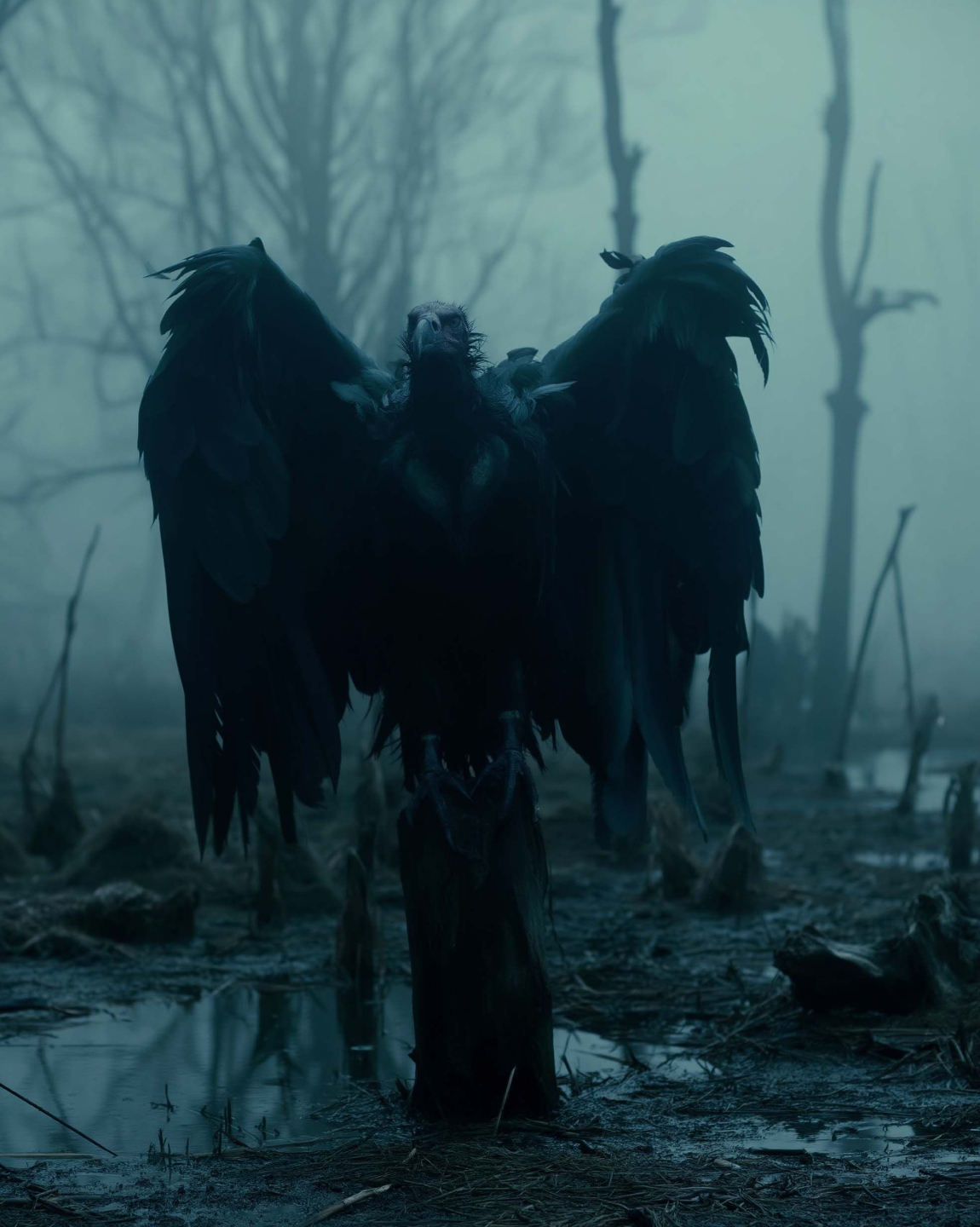
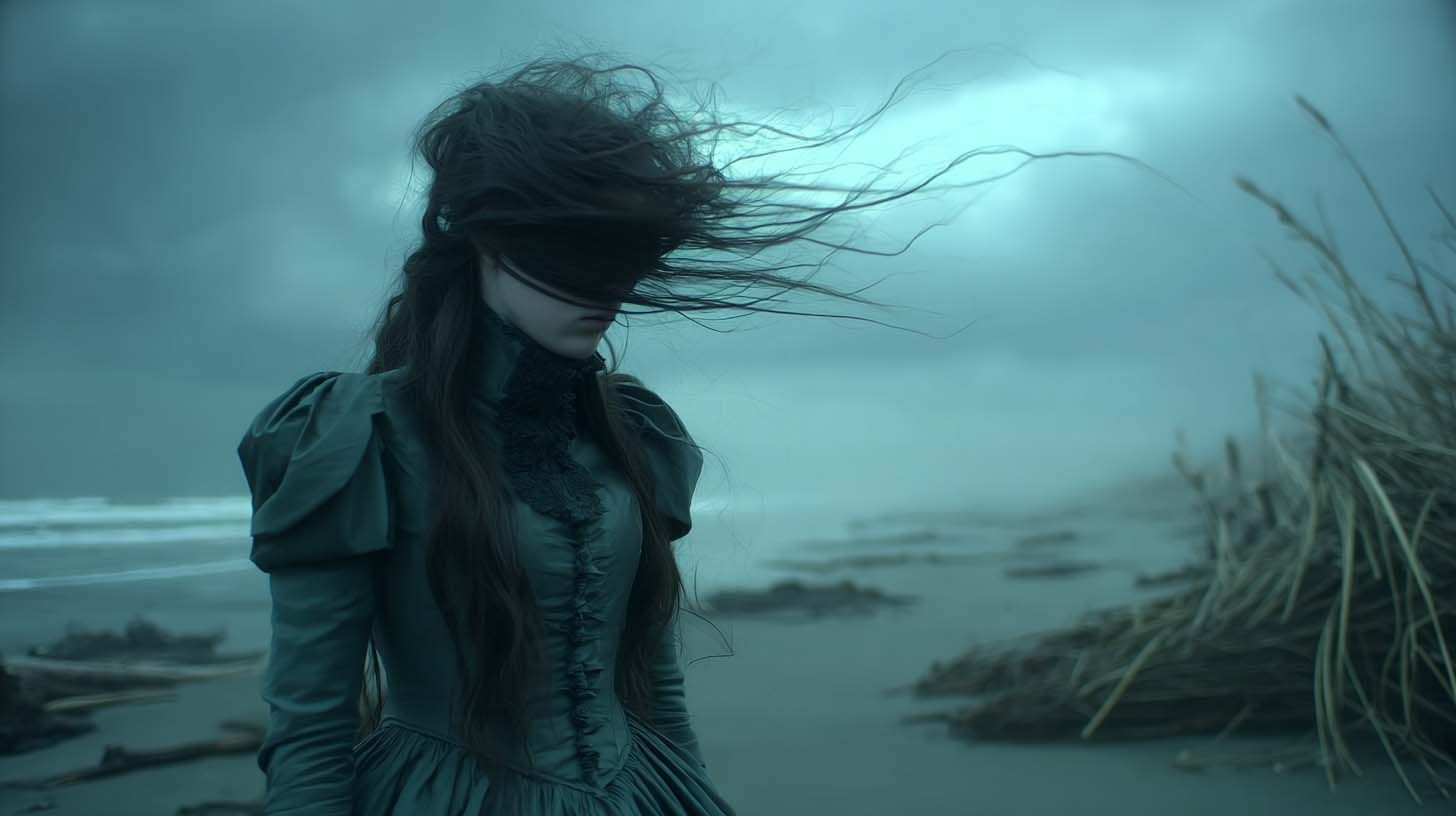
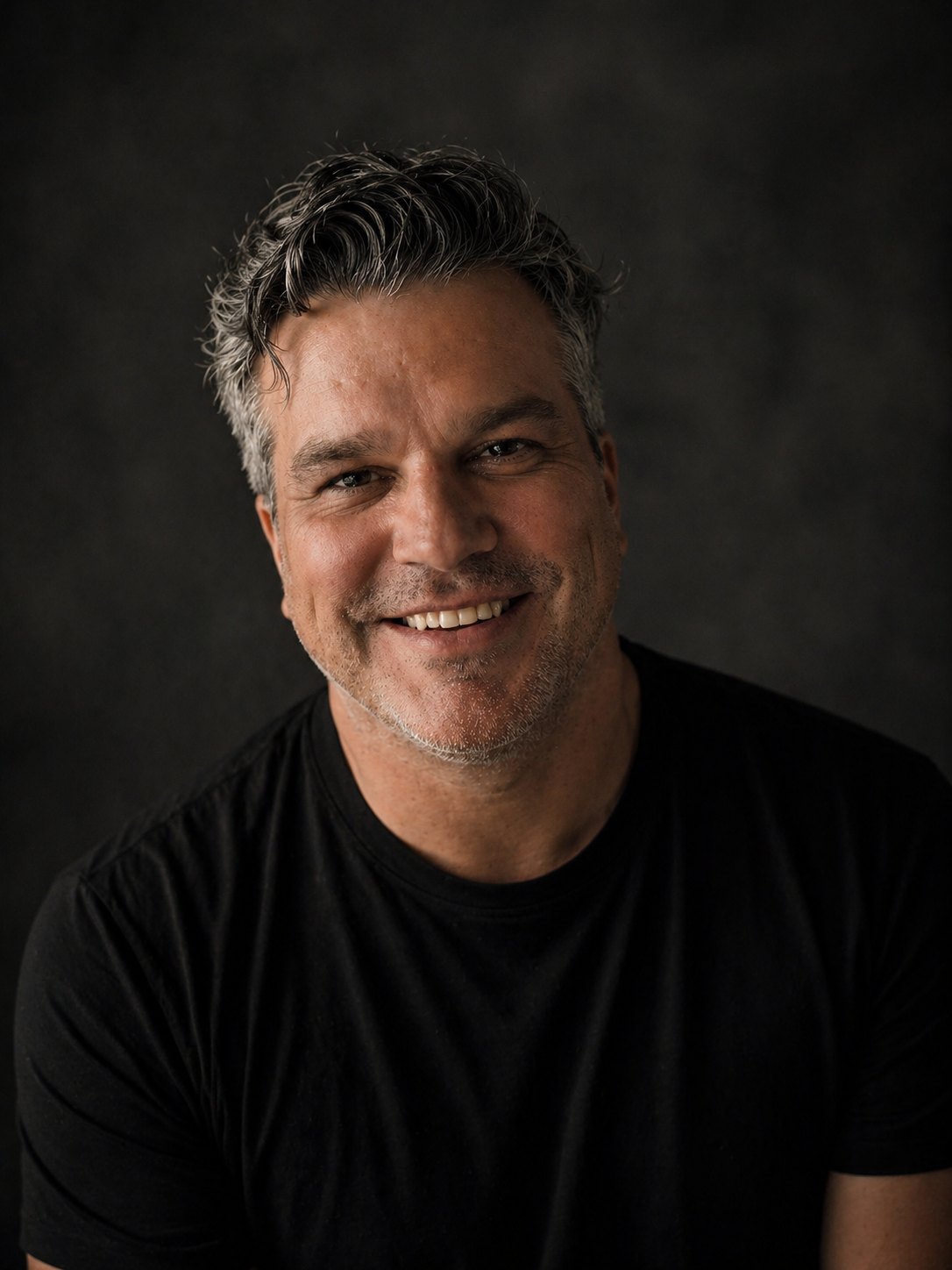
The Instructor
MR.
BLACK
Motion Designer & Creative Director
- Sony
- WWE
- MTV
- BMW
- Disney
- Beyoncé
- Xbox
- Microsoft
Behind those names: a broadcast package for WWE, title design for Xbox, the show package for the MTV Video Music Awards, a TV commercial for Disney, a Dolby home-theater installation for Sony, an international auto-show film for BMW, stage visuals for Beyoncé, and product-launch motion design for Microsoft.
Most people teaching AI art are prompt engineers. They know which words make the machine do interesting things. What they don't know is what professional work actually looks like — the standards it has to meet, the craft behind it, the difference between something that gets scrolled past and something that gets you hired.
I've spent over 25 years creating visual work that had to be good enough for international brands, broadcast standards, and global audiences. That means I know the craft from the inside. I've brought those same standards to AI tools — and what's possible when you do is genuinely different from what everyone else is making.
What I teach here isn't prompts. It's professional visual thinking, applied to the most powerful creative tools that have ever existed. You bring the vision. I'll show you how to execute it at a level the industry actually respects — and how to walk into any room as the one with the vision, not the hired help.
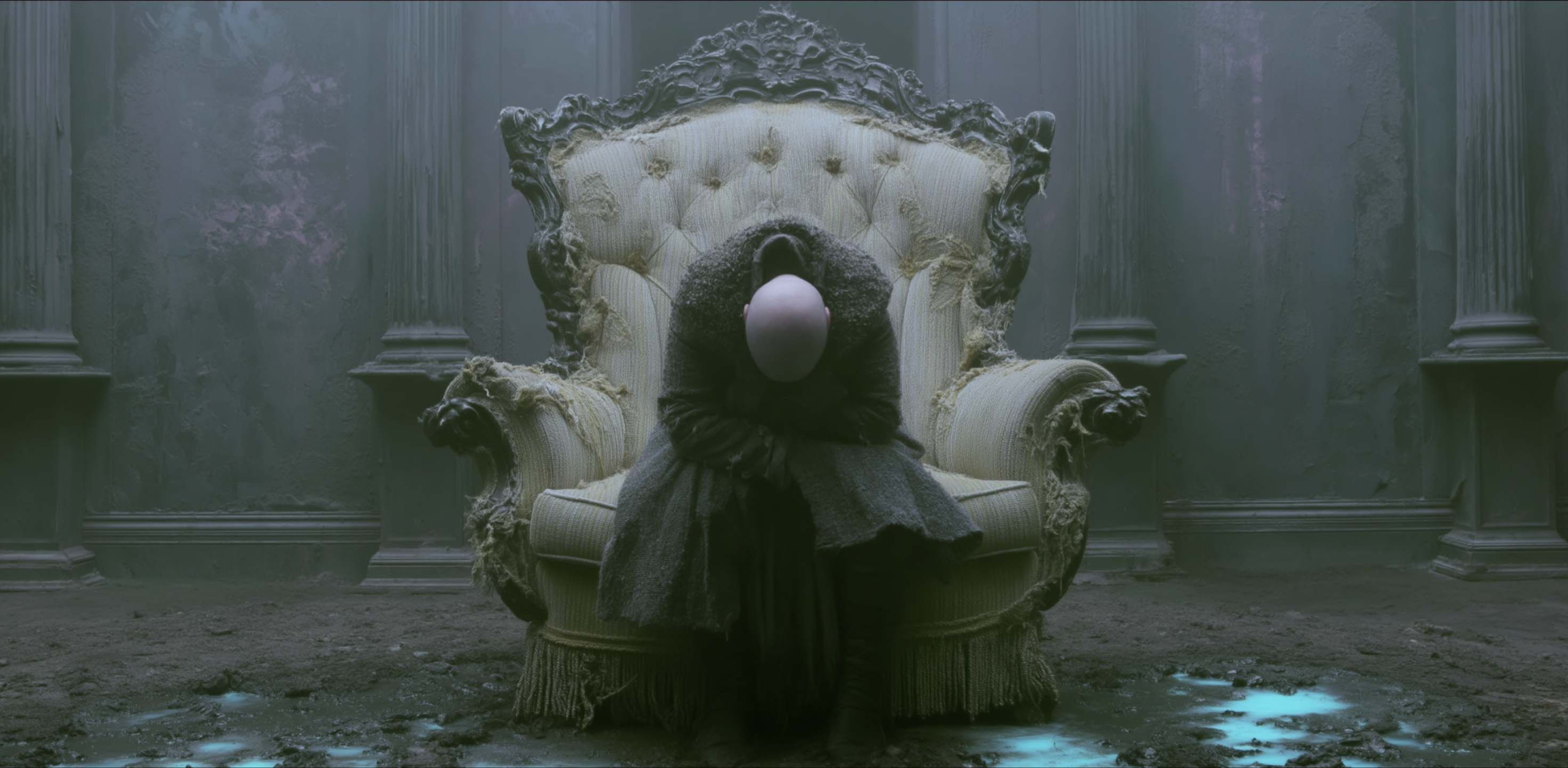
MR. BLACK is a persona, not a disguise. The work is real, the standards are real, and the 25 years behind it are real. The mask is the brand. The proof is the reel.
- 25+ years in professional motion design and direction
- International advertising campaigns for major brands
- Television commercials and broadcast production
- Visual work across global markets
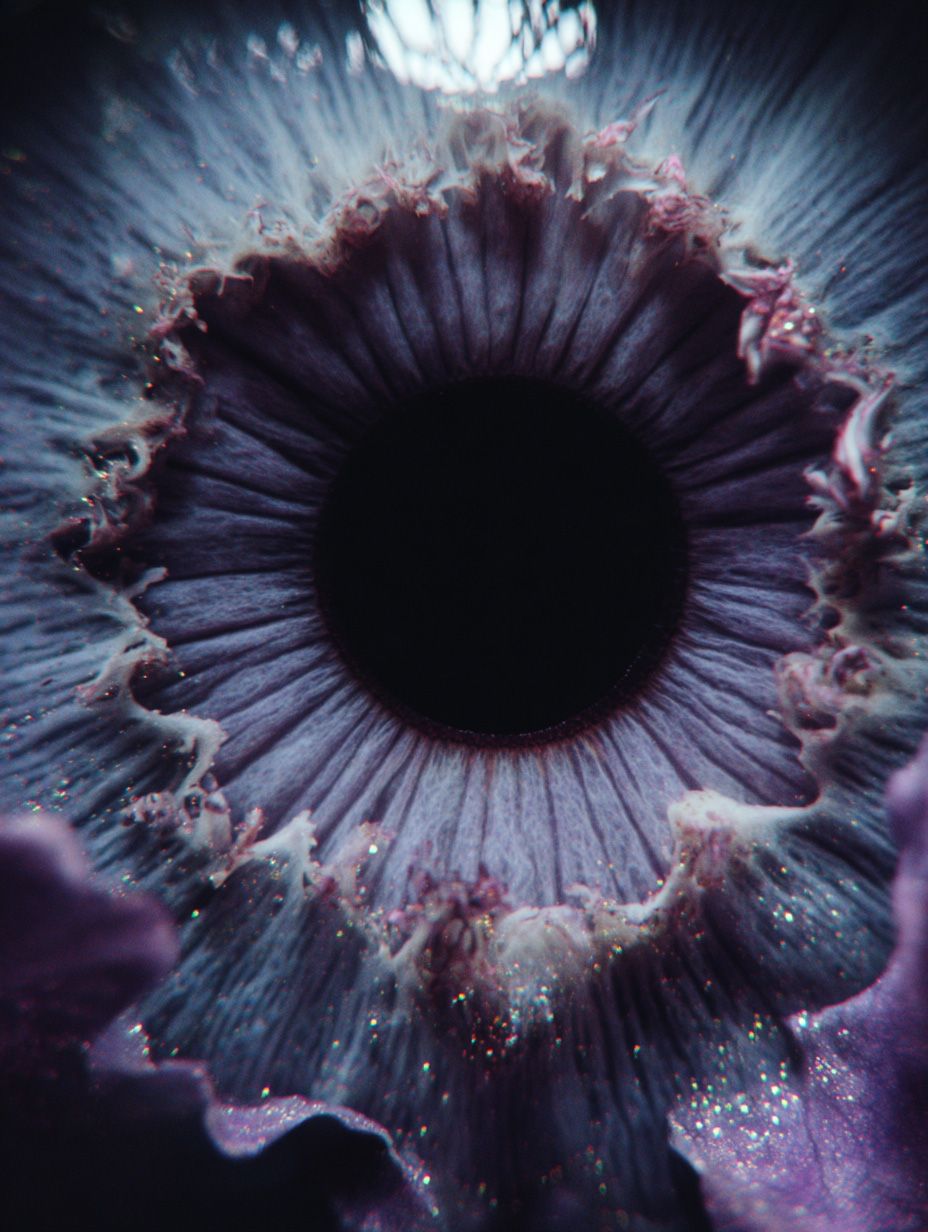
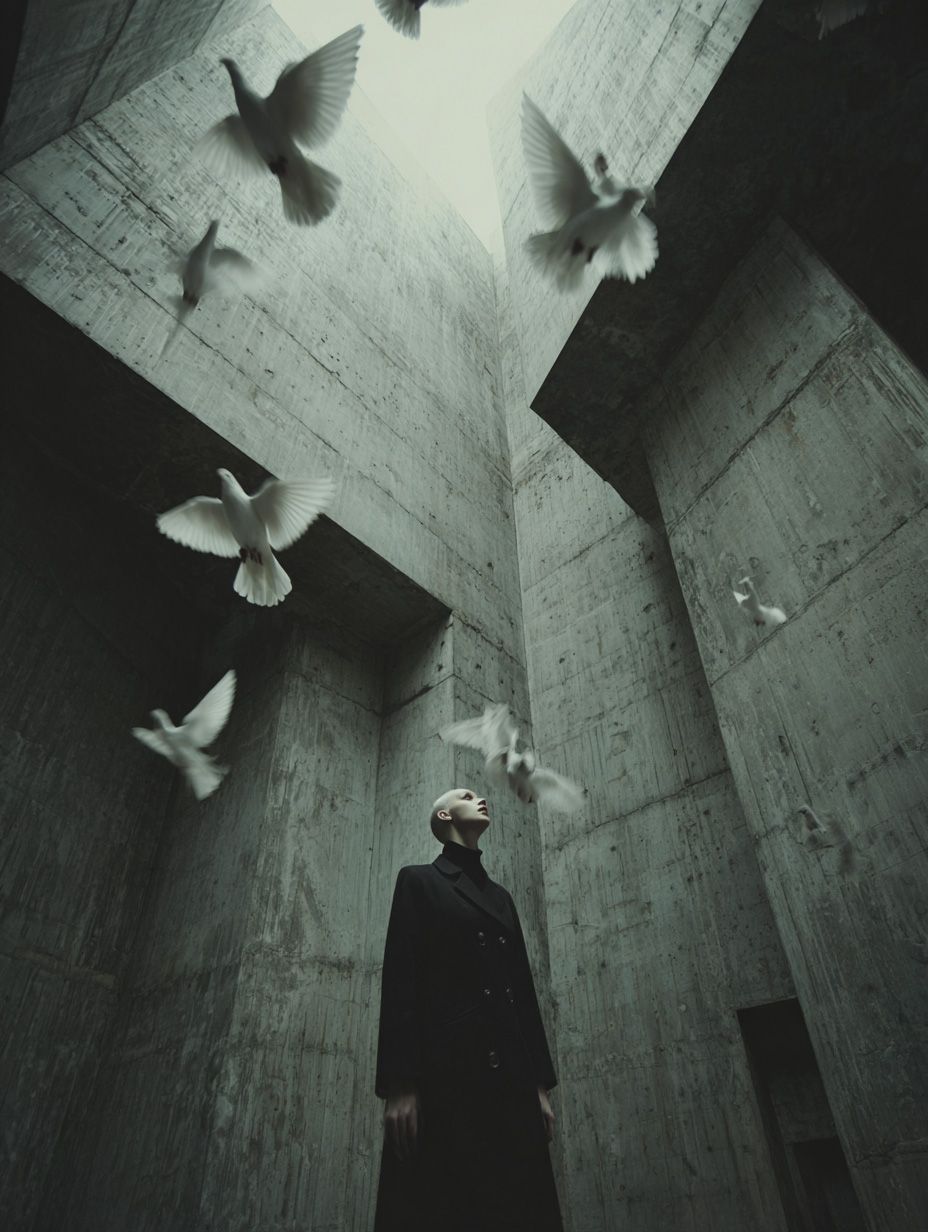
Student work.
Real work made by people inside the program.
In their words
I could always see the work I wanted to make. I just couldn't make it. That's the part that changed. A few weeks in, I'm looking at my own frames and they finally match what was in my head.
MR. BLACK has opened his studio to your eyes. It's super easy to learn how to create original ideas working with him — not just watching a tutorial online. A must if you want to challenge yourself and grow your visuals in a short amount of time.
Ryan FigardMotion DesignerI sent my reel out for the first time in years and had two responses in a week. One turned into a paid project. I didn't expect it to move that fast.
Jared S.Visual CreatorI came in knowing nothing about AI tools. Three months later I have a portfolio I'm genuinely proud of. The craft foundation is what made the difference — not just learning the software.
Christine G.Graphic DesignerCommon questions.
Will clients and peers respect AI work, or is this a reputational risk?
Fair question, and an honest answer: the backlash is real, and it's mostly aimed at work that looks generated. The entire point of this program is the opposite — work grounded in craft that stands on its own as cinematic image-making. You're not learning to make "AI art." You're learning to direct, and using AI as the tool. That distinction is exactly what earns respect instead of eye-rolls.Can I legally use this work for paying clients?
Yes, within the terms of the tools you use. The major platforms grant commercial-use rights on their paid plans — Midjourney, for example, gives paying subscribers ownership of what they create, and Kling allows commercial use on its paid tiers. Free tiers usually don't, so work on a paid plan when the project is commercial. The human direction, editing, and finishing you bring is where your authorship lives. The legal landscape around AI and copyright is still evolving, so always check each tool's current terms before commercial delivery — the course covers how to think about this, not legal advice.Why pay for this when there's so much free AI content on YouTube?
Free tutorials teach you which buttons make the machine do something interesting. They don't teach you what professional work has to look like, why most AI output reads as fake, or how to turn frames into a career. This isn't a tool walkthrough — it's 25 years of professional visual judgment, structured into a path from craft to portfolio to paid work. You can absolutely piece it together free. This is the shortcut.Do I need prior AI or design experience?
No. This program is built for visual creatives who take their work seriously — not AI hobbyists. If you have a visual eye and genuine ambition to create at a professional level, that's all you need. Your sensibility doesn't have to be fully developed — it just has to be real. The craft thinking comes first; the tools follow.
What tools do I need — and do I need them all before I start?
The curriculum is built mainly around Midjourney, Kling, Magnific, and Higgsfield, but it's deliberately not tool-specific — the craft and visual judgment carry straight over to Runway, Veo, Seedance, or whatever's next. And you don't need accounts for everything on day one. Start with one (Midjourney is plenty) and add the others as a lesson calls for them. You're learning to direct and create at a professional level, not just operate one app.
What do the tools cost, and do they fit my existing workflow?
Realistically about $10–30/month total to start — Midjourney's $10 Basic plan is enough, and Kling, Magnific, and Higgsfield all have free tiers with paid plans in the $8–20 range when you want more. It's not a gear-heavy craft; the barrier is creative judgment, not hardware. And it slots right into the tools you already use — the frames and footage you generate still go into After Effects, Premiere, or DaVinci for editing and grading.
How much time do I need to commit each week?
Lessons run 5–10 minutes each and the program is fully self-paced. Plan for about an hour a week — that gets you through 4–5 lessons and a creative exercise — and you'll make real progress. If you want to go deeper on a particular section, go deeper. If life gets busy and you need to slow down, the content is there waiting when you're ready.
How is the course structured?
All three phases — The Craft, The Portfolio, and The Showcase — are fully live and included from day one. Self-paced, no deadlines, lifetime access. Pay once, or split it into four installments of $111 — either way the whole system is yours for life. No subscription, no upgrades, no add-ons.
Is there a community for AI Cinema Lab students?
Yes — there's a private community for Cinema Lab students called THE LOT, available monthly or annually once you join — $29/month, or $197/year (founder rate). It's where your work gets eyes on it — students share work and trade real feedback, and I'm in there too. A mentor's critique is what moved the needle for me; THE LOT is where you get that. The course stands fully on its own — THE LOT is there as an optional add-on if you want the ongoing conversation.
Is the payment plan a subscription?
No. It's an installment plan: four payments of $111, one month apart. After the fourth payment you've paid in full — the program is yours for life, and nothing ever bills again. There is no subscription anywhere in AI Cinema Lab.
Is there a money-back guarantee?
Yes — 30 days, no questions asked. Join, go through the material, and if you decide it's not for you, email us within 30 days for a full refund. It's that simple.
The complete system for less than a single hour of 1:1. Or split into 4 payments of $111.
One investment. Lifetime access.
The complete system. No subscriptions.
One payment, lifetime access. Or split into 4 payments of $111, paid in full after the fourth, never a subscription.
Prefer one payment? $397 one-time.
What's included
- All three phases — The Craft, The Portfolio, and The Showcase — available immediately.
- Real-world briefs: music visuals, fashion editorial, director's showcase, and luxury brand film
- Lifetime access to all future updates
- Self-paced — work on your own schedule, at your own speed
- Portfolio-ready work from day one — every project built to professional standards
30-Day Money-Back Guarantee
30 days to go through the foundations and decide the craft and the system are for you. If they're not, email us for a full refund — no questions asked.
A following, clients, your own films —
they all start with work that actually looks like cinema.
Whatever you're trying to make — AI Cinema Lab is where you build it. If that's you, come on in.
Start Now — $397